Mar 1, 2026
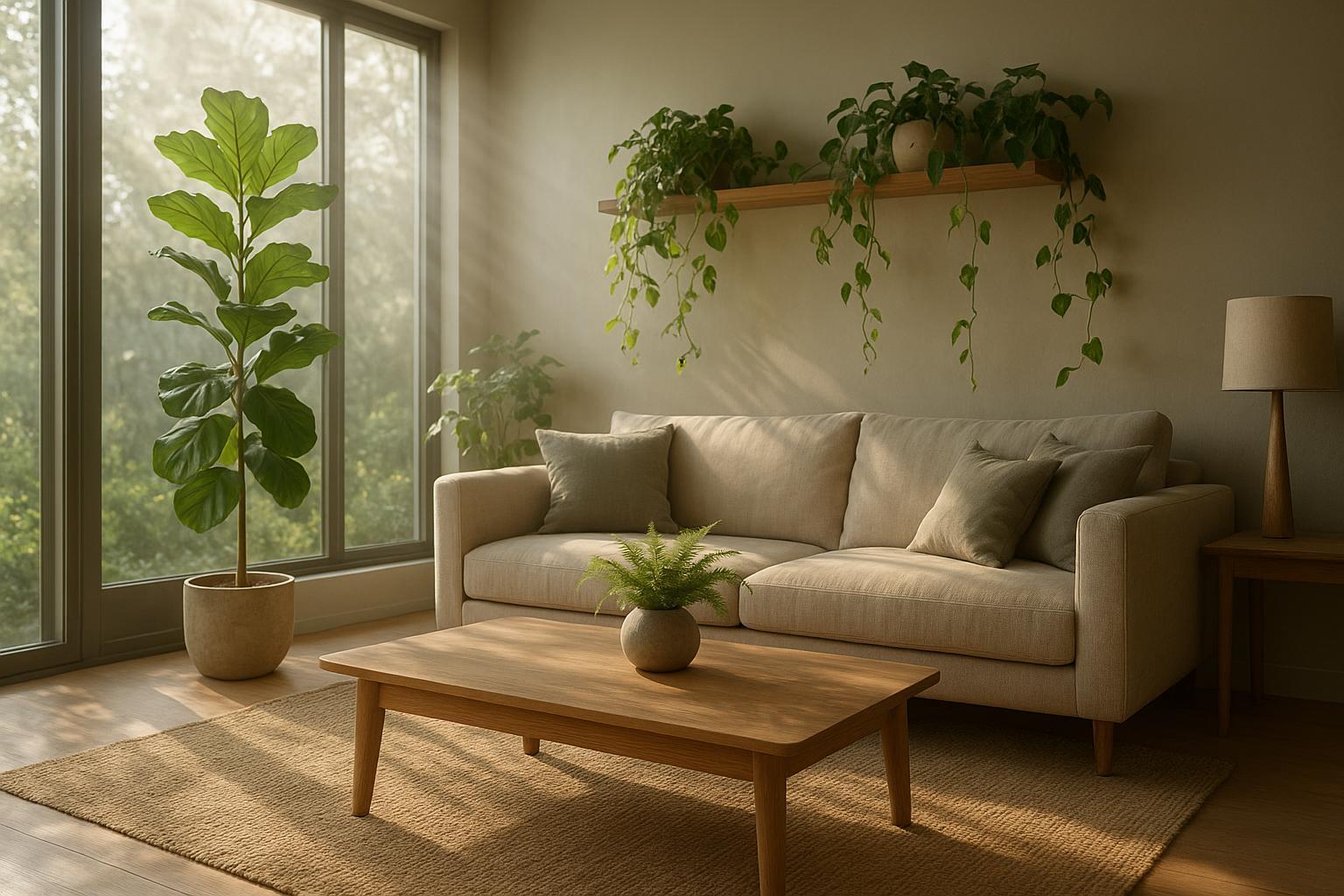
I’m going to be blunt: in 2026, “nice photos” don’t win the scroll. Calm wins the scroll.
Biophilic design—soft, believable daylight, real-looking greenery, and grounded natural textures—is the fastest way to make a listing feel high-end and wellness-forward before a buyer ever books a showing. And you don’t need a staging warehouse or a photography lecture to pull it off.
If you’re an agent, your job is speed plus credibility: images that look expensive, consistent across angles, and clean under the buyer’s zoom-in test. That’s exactly where AI staging succeeds or fails.
Used correctly, Collov AI helps you build this biophilic look in minutes: natural-light mood, layered plants, and materials that read as tactile—not synthetic.
This isn’t a fringe aesthetic, either. Houzz’s January 2026 roundup frames nature-rooted palettes as part of a broader shift toward biophilic interiors in its 2026 home design trends coverage. And Dezeen’s early 2026 briefing predicts “curated calm” built from textured woods and stones—an angle that pairs naturally with daylight and greenery in listing images, as described in Dezeen’s 2026 trends overview.
What biophilic design looks like in listing photos
For real estate, biophilic design is easiest to spot in three cues that reliably elevate thumbnails and detail views. First, daylight direction you can feel—soft sunbeams, believable highlights, and gentle, warm shadows rather than flat, overhead lighting. Second, greenery with lifelike texture and scale—leaves that catch light and cast fine shadows, placed to guide the eye through the frame. Third, earthy, matte finishes—oak, travertine, linen, wool, rattan—adding warmth without glare.
If you want a deeper primer that ties these visuals to a full staging workflow, see the brand’s context guide to 2026 interior trends that help listings perform.
Why buyers respond in 2026 wellness and stress reduction
The strongest motivation to anchor your narrative is wellness. Post‑2025, clients are prioritizing spaces that lower stress and feel restorative—exactly what credible daylight, greenery, and natural textures signal at a glance. The American Society of Interior Designers highlights this shift in public summaries of its Trends Outlook work, emphasizing wellness and lifestyle alignment as ongoing design priorities. See ASID’s press context in the 2025 wellness and sustainability briefing and the momentum update in ASID’s 2026 Trends Outlook release.
For agents, that means biophilic cues are not just aesthetic—they telegraph calm, care, and day-to-day comfort in a way buyers can process instantly while scrolling.
Hero scenario Transform a dark living room with Collov AI
Dark living rooms don’t just look “moody” on the MLS—they read as small, cold, and expensive to fix. Your hero image has one job: make the space feel bright, healthy, and high-end in a single glance.
Here’s the agent-friendly workflow I use to get that wellness-driven biophilic look fast—powered by Collov AI.
Start with Collov AI to establish a natural-light look. Choose a daylight-forward direction that makes sense for the windows in the photo. You’re not chasing lab-perfect settings—you’re chasing believability: clean whites, warm mids, and shadows that feel like real sun.
Tell Collov AI where the “sun” is coming from. Anchor the light to the window wall and let it fall off across the room. The goal is depth: a bright side, a gentle shadow side, and one or two “hero” highlights that pull attention to the seating area.
Drop in layered greenery that looks alive. Add one tall floor plant near the window, one mid-height plant to bridge the background plane, and one small plant closer to camera for depth. Collov AI makes it easy to test placements without the copy-paste look that screams “staged.”
Stage warm, tactile materials—no glare. Think oak tones, linen textures, woven rugs, and stone-like surfaces that read as premium in photos. Use Collov AI to keep finishes matte-to-satin so the room feels calm, not shiny.
Run the zoom-in test before you export. Check edges, contact points, and shadows—especially around plants and furniture legs. If anything looks like it’s floating, it won’t survive buyer scrutiny.
Lock consistency across angles. If you have multiple photos of the same room, keep the big decisions consistent—light direction, plant “hero,” and material palette—so it feels like one real home, not a different design in every frame.
Export listing-ready images and move. Save high-quality outputs for MLS and social. The win isn’t perfection; the win is a credible, expensive-looking room done fast enough to use on every listing.
Simulated daylight that actually sells in 2026
“Selling homes with natural light” isn’t a slogan—it’s a buyer filter. People equate bright, calm light with care, cleanliness, and comfort.
The mistake I see agents make is overcorrecting: harsh fake beams, flat lighting, or random highlights that don’t match the windows. With Collov AI, keep the light simple and motivated (window-led), then judge it like a buyer: does it feel like a space you could breathe in?
Layered greenery that passes the buyer zoom test
This is where cheap, generic AI staging apps quietly kill your conversion.
They often produce the same three tells: plastic-looking clip-art plants, furniture that “floats” because contact shadows are wrong, and lighting that feels painted on instead of coming from the windows. Buyers might not name the problem, but they feel it—and they bounce.
For biophilic design real estate marketing, greenery has to behave like it belongs in the room. Your standard is simple: if you zoom in, do the edges, textures, and shadows still look real?
With Collov AI, build your greenery in layers and judge it like a listing photographer would:
Scale that matches the room: one tall floor plant near the window, one mid-height accent, one small foreground plant.
Textures that don’t repeat: leaves shouldn’t look stamped or overly glossy.
Accurate shadow occlusion: plants should cast soft, motivated shadows onto nearby surfaces, and those shadows should connect cleanly at the base.
If the plants read as alive—and the shadows “sit” correctly—you get the calm, cared-for look buyers associate with wellness and quality.
Earthy textures and materials that add warmth without glare
Nature‑aligned rooms feel grounded when materials look touchable. Prioritize matte to satin finishes that photograph well: oak with visible grain, limewash‑like walls, travertine or honed stone, linen and wool with gentle weave. Keep saturation in check so the palette reads as calm rather than themed.
Multi‑angle consistency that keeps the story coherent
When you stage multiple views of the same room, repeat the big decisions—light direction, hero plant species, and core materials—so the set feels like one real space. For a refresher on workflow order and angle planning, see the practical notes in the virtual staging trends and workflow guide.
Photo‑readiness checks before you upload to the MLS
Build a five‑minute QA into your export routine so every image holds up under zoom. Do an artifact sweep at 100% on leaf edges, woven textiles, and window frames to catch repeating textures or jaggies. Check highlight control to keep exteriors present in bright windows; pull back global contrast if halos appear around muntins. Sanity‑check scale by comparing plant and furniture sizes to door heights and seat cushions. Finally, export at the platform’s recommended pixel width and quality to avoid over‑compression, and flip through all angles in sequence to confirm consistent light direction, color balance, and hero elements.
How to measure if your biophilic staging works
Treat your hero image like a hypothesis. A/B test a biophilic version against a control image for a week and compare thumbnail click‑through rate, saves or favorites, and showing requests. Keep your copy and price constant, rotate which image is first, and document results. Even if you don’t publish numbers, your team will learn what resonates in your market.
Stop losing buyers to dead-looking listings
If your photos feel sterile, dim, or “AI-ish,” you’re donating attention to the agent down the street. In a 2026 market where wellness-driven design is what buyers want to feel, that’s a self-inflicted wound.
Here’s what I want you to do next:
Pick your weakest living room photo.
Build the biophilic hero look with Collov AI: window-led daylight, layered greenery, warm matte textures.
Run the zoom test.
Publish it as image #1.
Then watch what happens to saves, shares, and showing conversations.
Start your Collov AI free trial now and turn your next listing into the calm, high-end space buyers stop for: Collov AI.
Citations and further reading
Houzz’s January 2026 roundup on nature-rooted palettes in 2026 home design trends.
Dezeen’s January 2026 framing of “curated calm” in interior design trends 2026.
ASID’s public context on wellness as a design priority in the 2025 wellness and sustainability briefing.