Feb 21, 2026
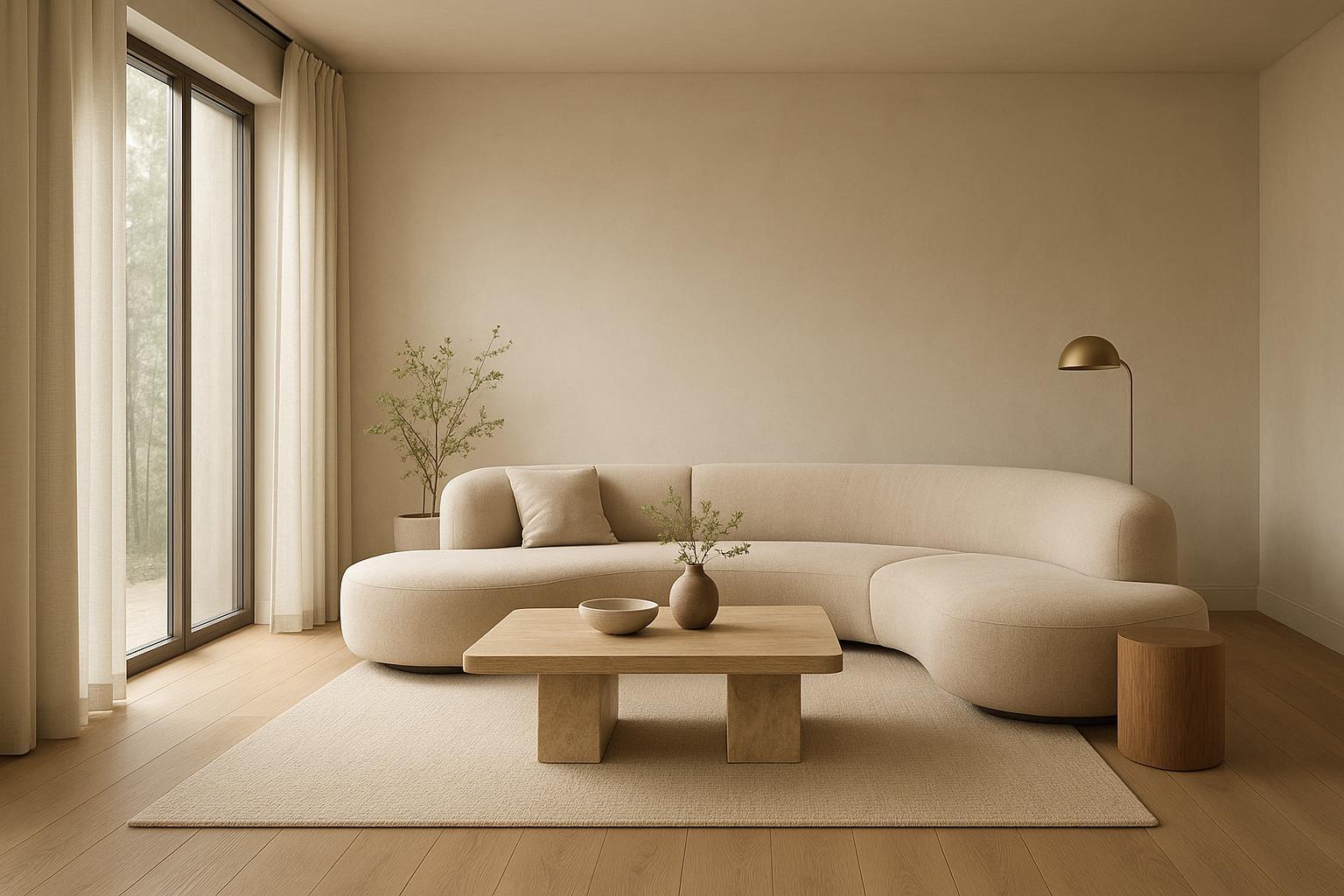
When buyers scroll through listing photos, they’re not analyzing— they’re feeling. The right staging style creates an instant sense of calm, craftsmanship, and possibility. That emotional connection is what nudges a showing request and, ultimately, a stronger offer.
If you handle luxury inventory, 2026 is your year to lean into texture-rich, human-scale design that photographs beautifully. Below, you’ll find the three 2026 interior design trends most likely to move the needle—plus precise virtual staging prompts so you can apply the look without renting a single sofa. Want a quick primer on how virtual staging works and where it fits in your workflow? See the overview: virtual staging for real estate.
Why these 2026 interior design trends influence buyer behavior
Top-performing “looks” this year share three traits buyers respond to in photos: warmth over sterility, materials with visible depth, and a layout that reads as livable at a glance. According to the National Association of Realtors’ 2025 staging coverage, many pros observed both faster sales and price lift when homes were staged—signals that presentation still matters for conversion in 2026. See the survey summary in the NAR newsroom’s report, which notes improved offers and reduced time on market in 2025 cohorts: NAR report on staging impact.
Below, we translate three high-signal styles into MLS-friendly, photorealistic virtual staging you can replicate.
Trend 1: Warm Minimalism — calm, curated luxury that feels lived in
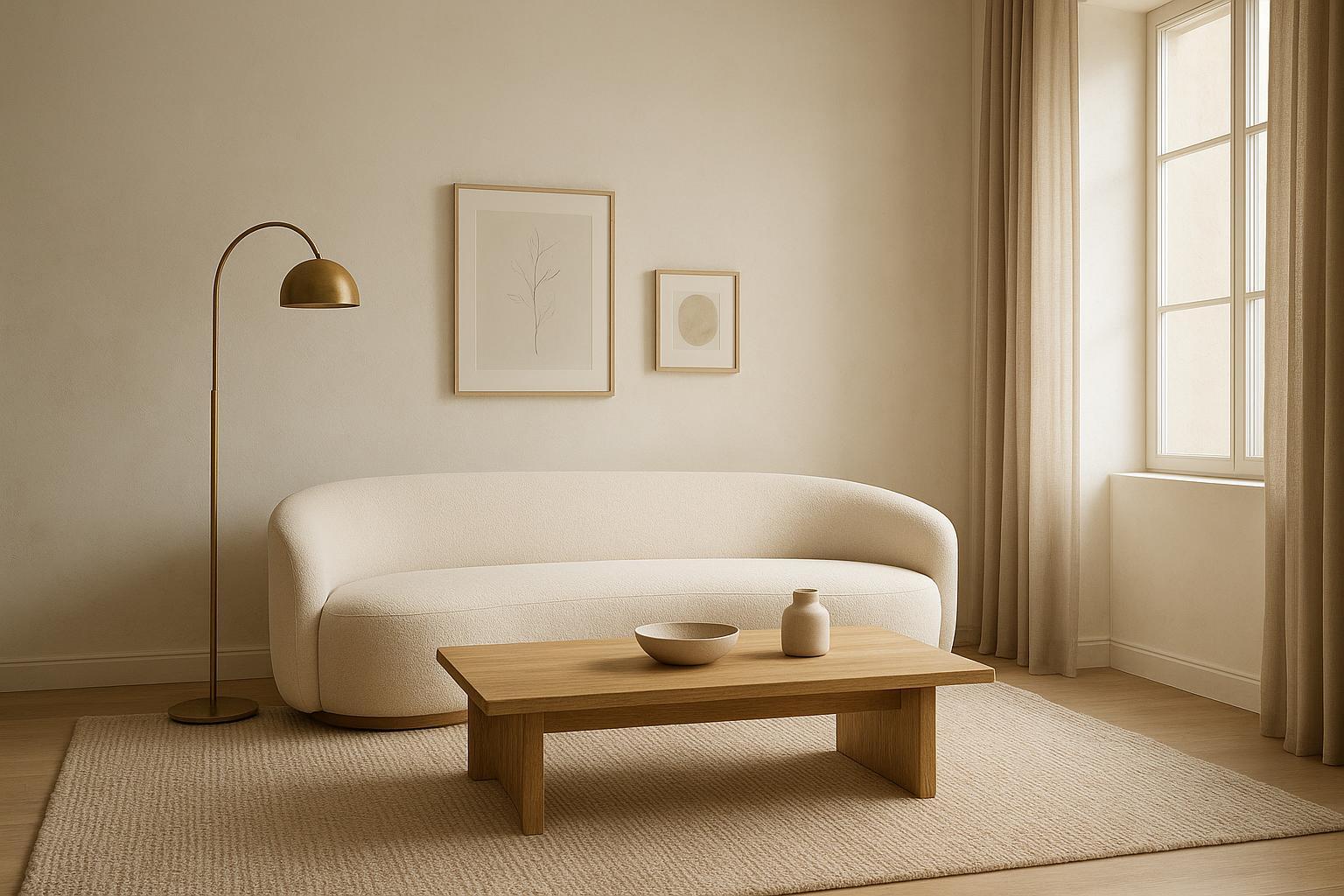
Positioning
A softer, human-first minimalism: creamy neutrals, curved silhouettes, and layered natural textures that read warm and high-end rather than cold or sparse.
Buyer psychology trigger
Calm order with tactile comfort. Negative space remains, but visual warmth and handcrafted detail reduce the “showroom” barrier and invite buyers to imagine daily life.
Palette and materials to emphasize
Creamy whites and warm greige on walls and upholstery; oak or walnut woods; linen drapery; unlacquered brass accents; a textured wool or sisal rug.
Where it works best
Luxury living rooms and primary suites, plus contemporary kitchens where texture-forward millwork can shine in photos.
Do and don’t for listing images
Do anchor the room with one sculptural, curved piece (sofa or chair) and one artisan object to add story. Don’t flatten the frame with all-smooth, low-contrast surfaces.
Virtual staging prompts and settings to try
“Warm minimalism, curved sofa, oak-and-stone coffee table, linen drapery, textured rug; daylight-balanced 5200–5600K; soft natural shadows; medium contrast; negative prompt: high-gloss plastic.”
Evidence
Homes & Gardens describes warm minimalism’s layered, tactile direction and why it photographs invitingly in 2025–2026: Warm minimalism decor trend.
Trend 2: Biophilic Design — wellness cues and indoor–outdoor continuity
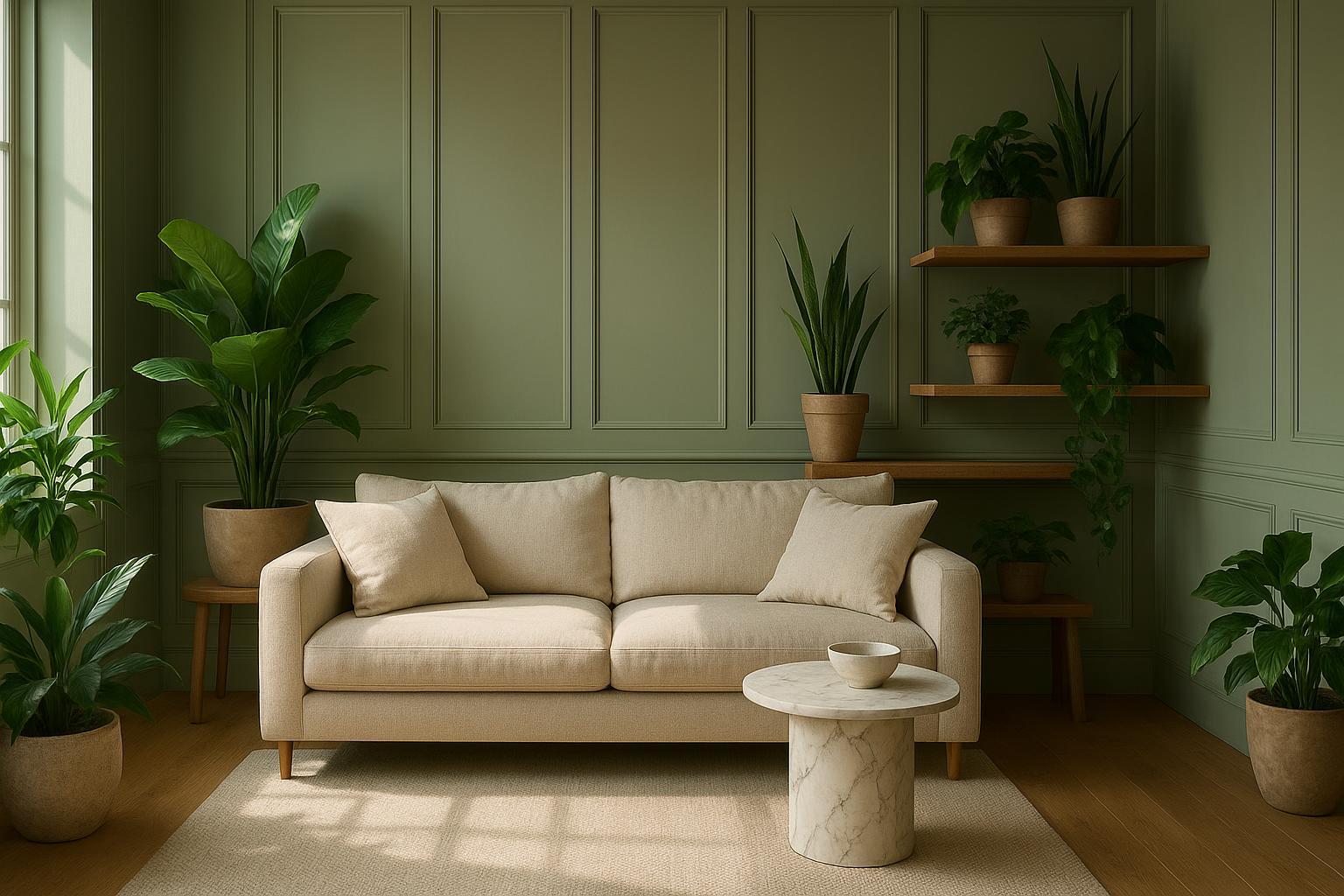
Positioning
Nature-forward interiors that signal health and grounded luxury: green “new neutrals,” warm woods, handmade textures, and believable plant life.
Buyer psychology trigger
Wellness and ease. Viewers intuit “fresh air,” natural light, and restorative calm—qualities associated with premium living and resort cues.
Palette and materials to emphasize
Sage or olive accents, tactile stone, warm oak, linen upholstery, and subtly irregular tile in kitchens and baths.
Where it works best
Luxury kitchens, spa-like baths, and living rooms with greenery or a view to anchor.
Do and don’t for listing images
Do scale plants to ceiling height and keep sightlines open. Don’t overfill frames with props or shiny, obviously fake greenery.
Virtual staging prompts and settings to try
“Biophilic design, sage-green cabinetry or paneling, veined marble, indoor plants sized to 20–25% of wall height; daylight 5500K; soft natural shadows; avoid plastic leaf sheen.”
— Want to compare how a design holds together across three angles before you publish your gallery? Explore multi-angle consistency workflows: Collov AI multi-angle staging.
Evidence
Houzz’s 2026 outlook highlights wellness and nature-inspired materials across high-visibility rooms: 2026 home design outlook.
Trend 3: Wabi-Sabi Authenticity — crafted serenity with tactile variation
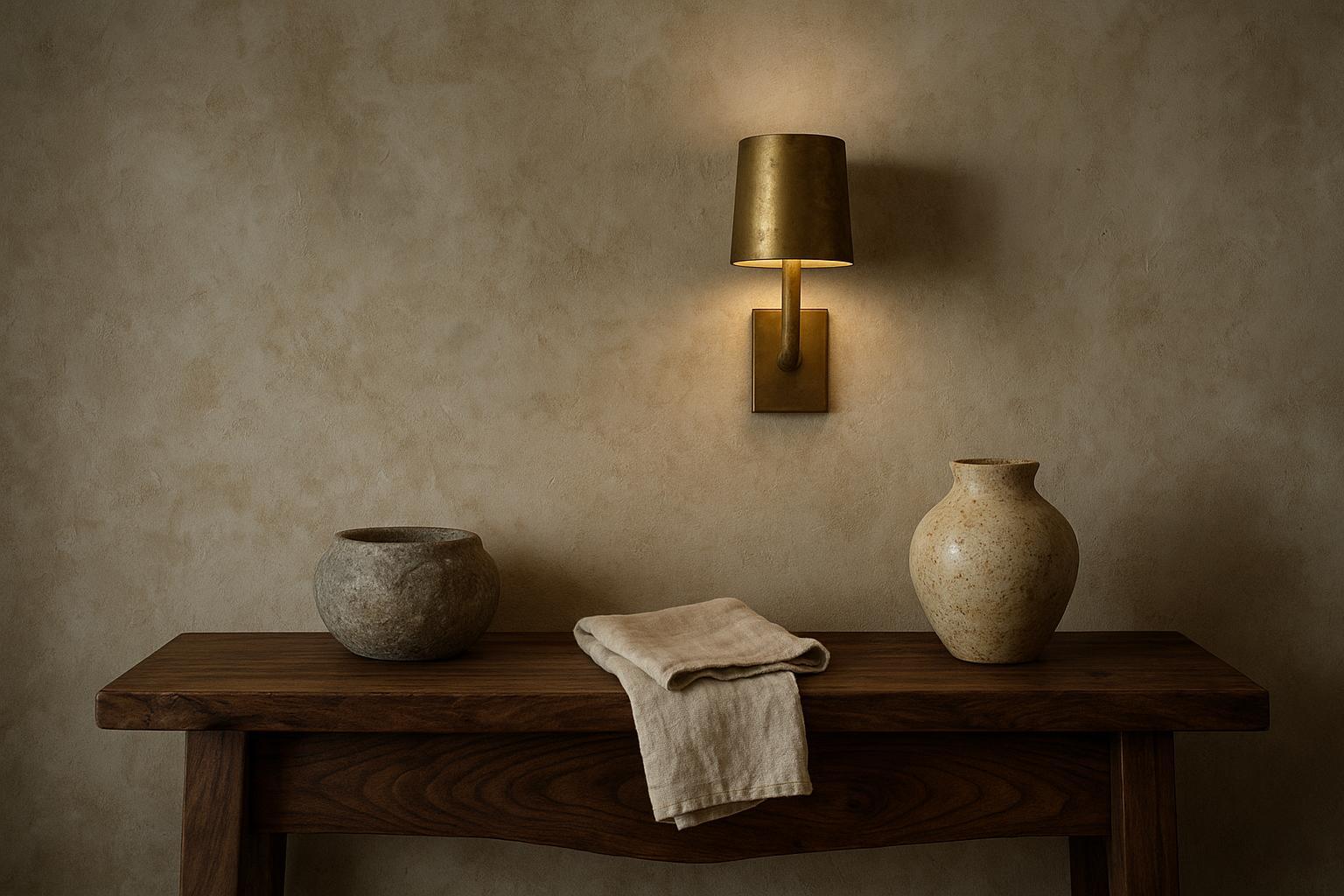
Positioning
A soulful, lived-in aesthetic that embraces patina, natural variation, and handmade texture for depth and quiet luxury in photos.
Buyer psychology trigger
Authenticity and craft. Subtle imperfections and visible material stories make rooms feel “kept” rather than staged, which reduces skepticism.
Palette and materials to emphasize
Limewash or tadelakt walls, raw-edge walnut, veined stone, grasscloth, and unlacquered brass with gentle aging.
Where it works best
Primary suites, powder rooms, reading nooks, and entries where a vignette can carry the mood.
Do and don’t for listing images
Do balance patina with one crisp line or dark contrast for legibility. Don’t default to uniform beige—introduce tonal variation and shadow depth.
Virtual staging prompts and settings to try
“Wabi-Sabi, limewash wall, raw walnut console, unlacquered brass sconce, stone vessel; soft edge lighting; medium contrast; realistic surface variation.”
Evidence
Homes & Gardens tracks the rise of imperfect, texture-led interiors that align with this crafted approach for 2026: Imperfect interiors trend.
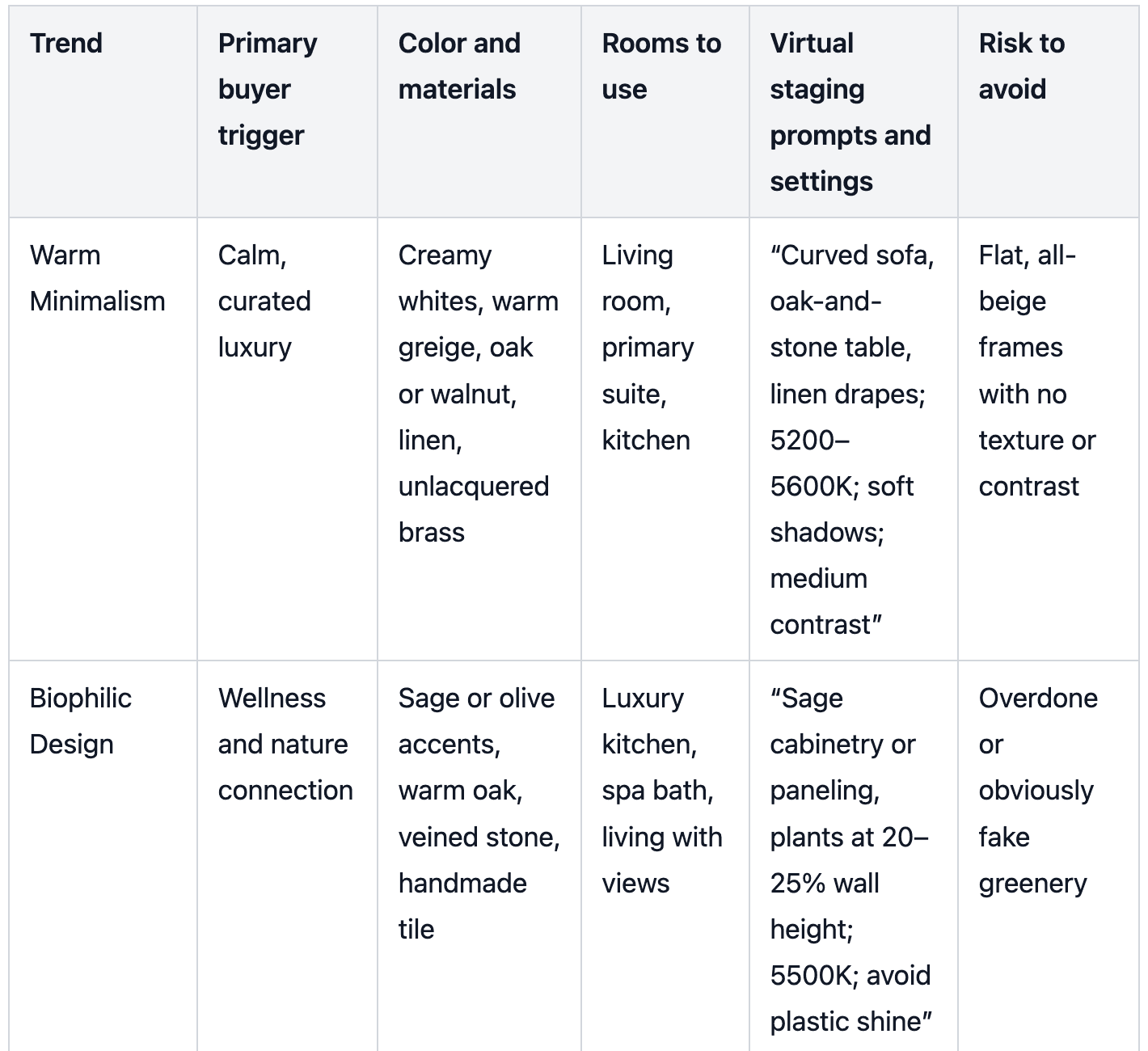
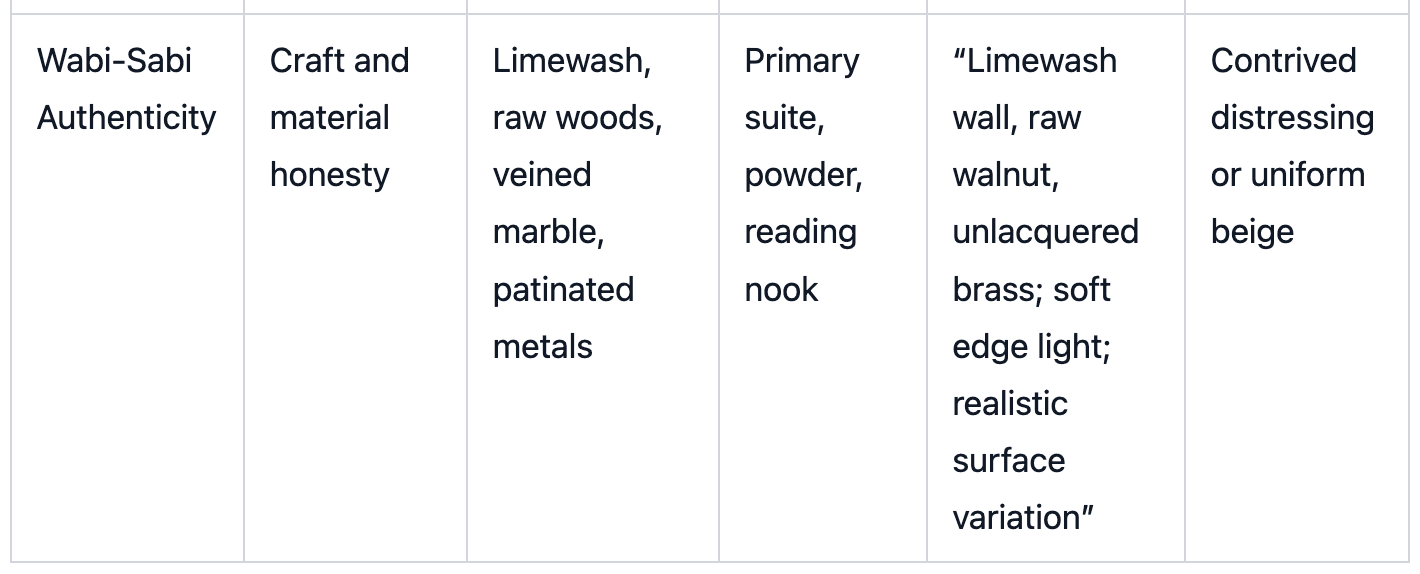
Trend-to-Staging Playbook
Use this quick playbook to match your listing with the best staging styles for real estate in 2026.
Decision aid and multi-angle consistency checklist
Even beautiful staging falls apart if the gallery feels mismatched across angles. Consistency sells confidence. Use this seven-point checklist before exporting:
Keep camera height consistent so horizons align from shot to shot.
Repeat one anchor piece across angles (sofa, dining set) in the same finish and scale.
Maintain a coherent palette; avoid sudden hue shifts room-to-room.
Match light direction and intensity; check shadow logic under furnishings.
Verify furniture proportions against door frames and window mullions.
Watch occlusion: rugs under legs, lamps behind sofas, plants not floating.
Do a “trace check” at 200% zoom for repeating textures or telltale AI artifacts.
Mini case study
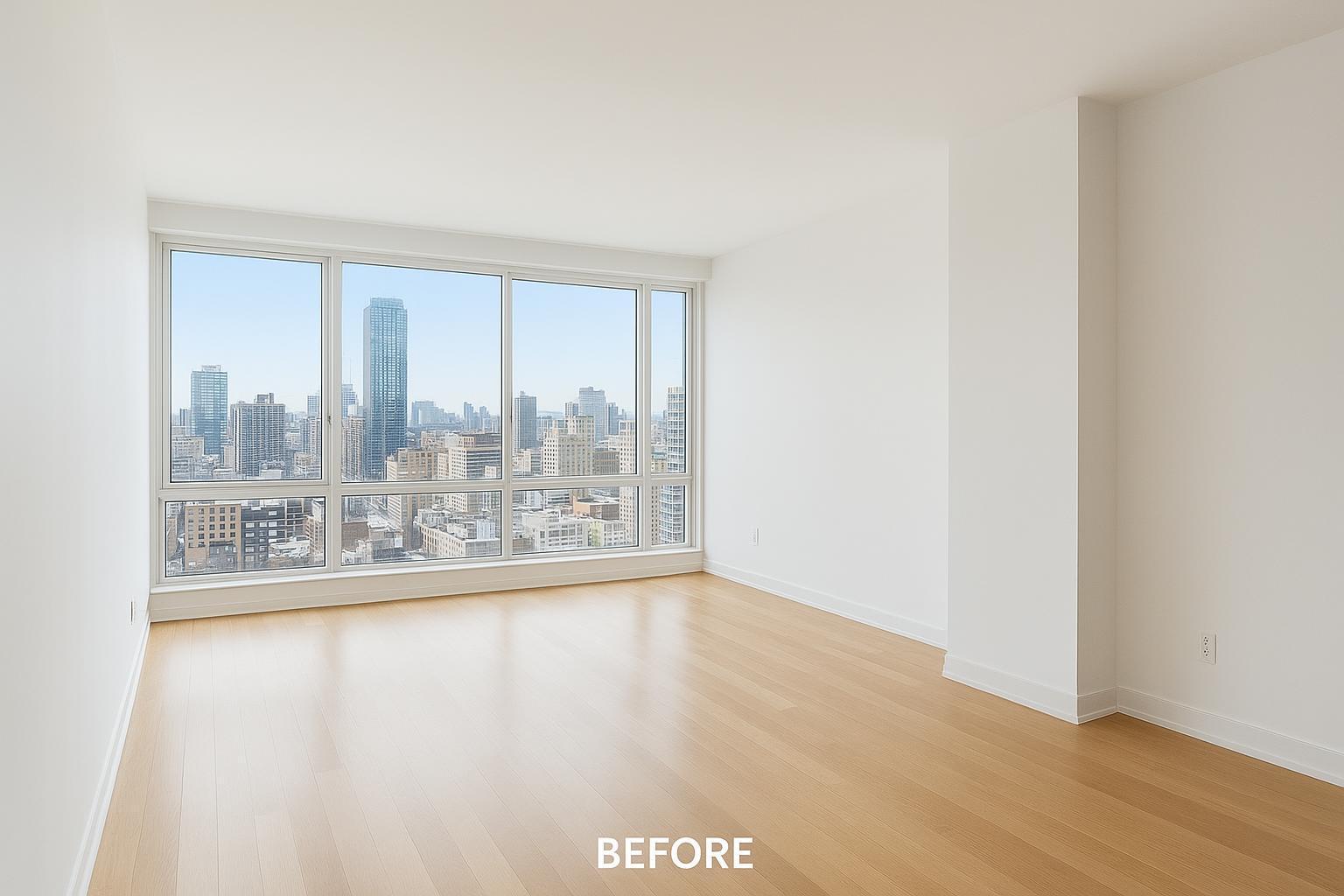
Before and after can be the quickest way to validate a look.
Before
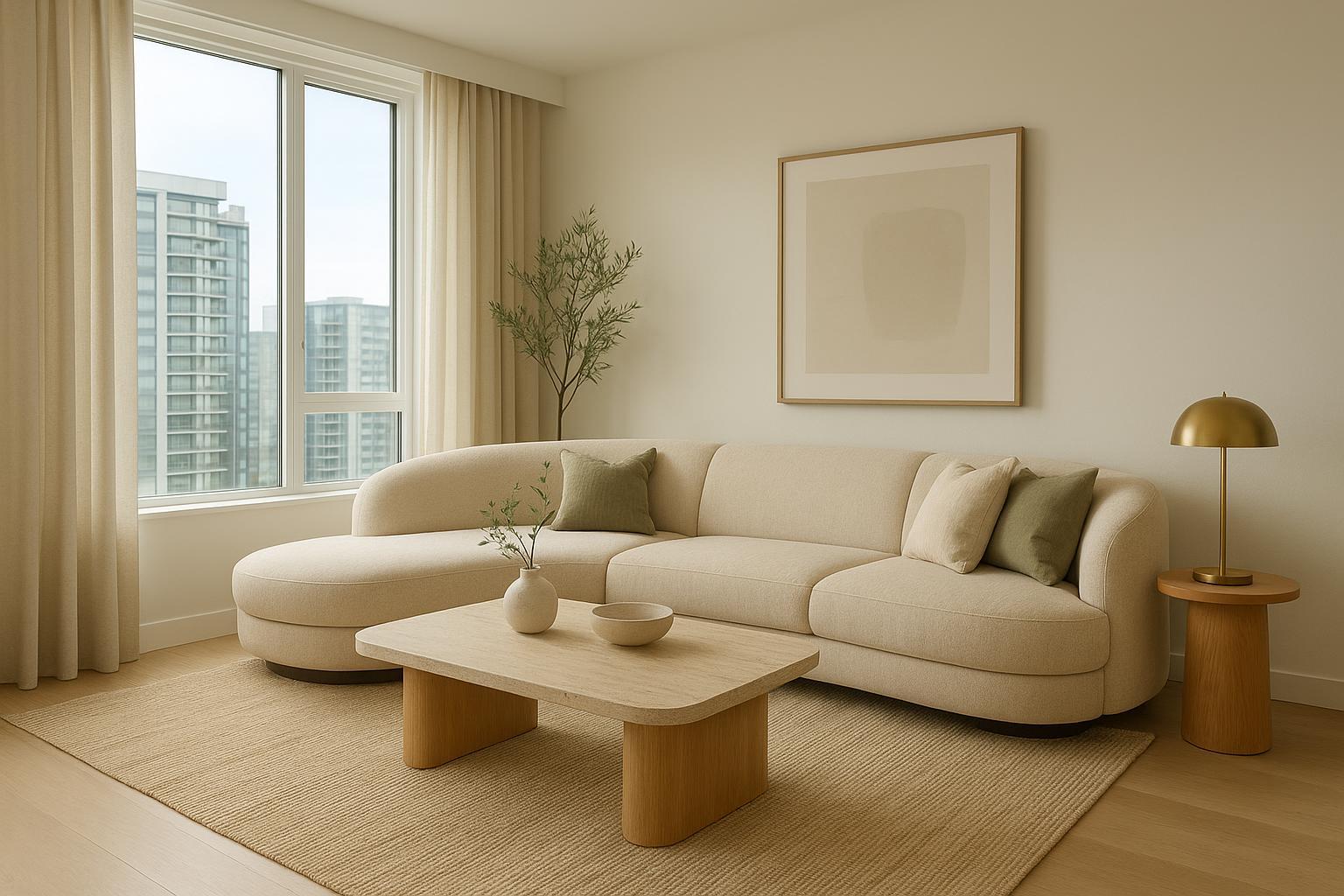
After — Warm Minimalism applied
What changed for the viewer
Curved seating and layered textiles introduced comfort without clutter; oak and stone added depth; controlled, daylight-balanced lighting improved color fidelity and shadow realism. Together, these cues help buyers feel both calm and impressed—an ideal combo for luxury showings.
Pricing and effort notes for virtual vs physical staging
Cost efficiency: As of early 2026, guides place virtual staging around $35–$50 per image (often less with AI), while physical staging commonly runs $500–$600 per room per month plus setup— a dramatic delta for testing multiple looks quickly. See Bankrate’s cost overview: How much does staging cost.
Speed and control: Virtual methods let you iterate on palettes, furniture scale, and lighting in minutes. That agility is critical when a listing needs to align with fast-moving home staging trends and evolve your virtual staging styles without reshooting.
Compliance note: Always disclose image alterations. NAR’s 2026 Code of Ethics prohibits misleading imagery; label edited photos (for example, “Virtually staged”) and consult your local MLS rules: NAR Code of Ethics standards.
Methodology and sources we used
We synthesized 2026 interior design trends reported by leading design publishers and validated them against buyer-psychology signals from real estate organizations. Style characteristics were confirmed through design press (including Homes & Gardens for warm minimalism and imperfect interiors, and Houzz’s 2026 outlook for wellness and biophilic materials). Performance context references the NAR newsroom’s 2025 staging report. Cost ranges reference Bankrate’s staging-cost guide. We then translated each trend into photorealistic, MLS-ready virtual staging prompts and a consistency checklist grounded in real-estate photography practice.
Cited sources in this guide include: Homes & Gardens on warm minimalism and imperfect interiors; Houzz’s 2026 outlook; NAR’s staging impact report; Bankrate’s cost overview.
FAQ
What colors photograph best for MLS in 2026
Warm neutrals with texture (creamy white, warm greige) and one grounded contrast (walnut, veined marble) tend to read best on camera. Sage and olive accents from biophilic design also perform well when balanced with daylight-calibrated white points.
Are these trends different for luxury vs starter homes
The aesthetics overlap, but luxury listings benefit more from layered materials, artisan details, and multi-angle consistency across the gallery. Starter homes can borrow the same palettes with simpler silhouettes to keep images approachable—these are still among the best staging styles for real estate when scaled appropriately.
How often should I update staged photos to match trends
Refresh when market comps shift or visuals begin to feel generic—often seasonally or at major price adjustments. If you’re experimenting with virtual staging styles, iterate quickly to learn what drives engagement before investing in reshoots.
Do trends actually reduce days on market or improve offer price
Presentation isn’t a guarantee, but NAR’s 2025 staging coverage reported many agents saw faster sales and price improvements when homes were staged, reinforcing that high-quality listing imagery still influences outcomes in 2026. See the newsroom summary: NAR report on staging impact.
Closing next steps
Ready to test these home staging trends with photorealistic, scale-conscious results and consistent looks across angles? Apply 2026’s winning styles to your empty listing instantly with Collov AI: virtual staging for real estate.