Feb 10, 2026

If you’re budgeting a new listing this month, you’re likely weighing two realities: physical staging that looks great at showings but takes time and cash, and virtual staging that moves fast and stretches a real estate marketing budget. This comparison locks assumptions to a common scenario so numbers are apples-to-apples.
Scope and assumptions (Scenario 2A): vacant 3-bedroom, one-month physical furniture rental with delivery/install versus 10 virtually staged listing photos at ~$15–$20 each plus three virtual removals. Pricing and figures are timestamped and sourced; verify locally.
Quick verdict: For speed-to-list, portfolio scale, and cost control, virtual staging wins decisively. Physical staging still has an edge for in-person emotional impact at showings. Many agents get the best results with a hybrid: physically stage one or two hero rooms and use virtual staging for the rest.
Side-by-side cost and timeline comparison
Below is a practical TCO view using Scenario 2A assumptions and current public references.
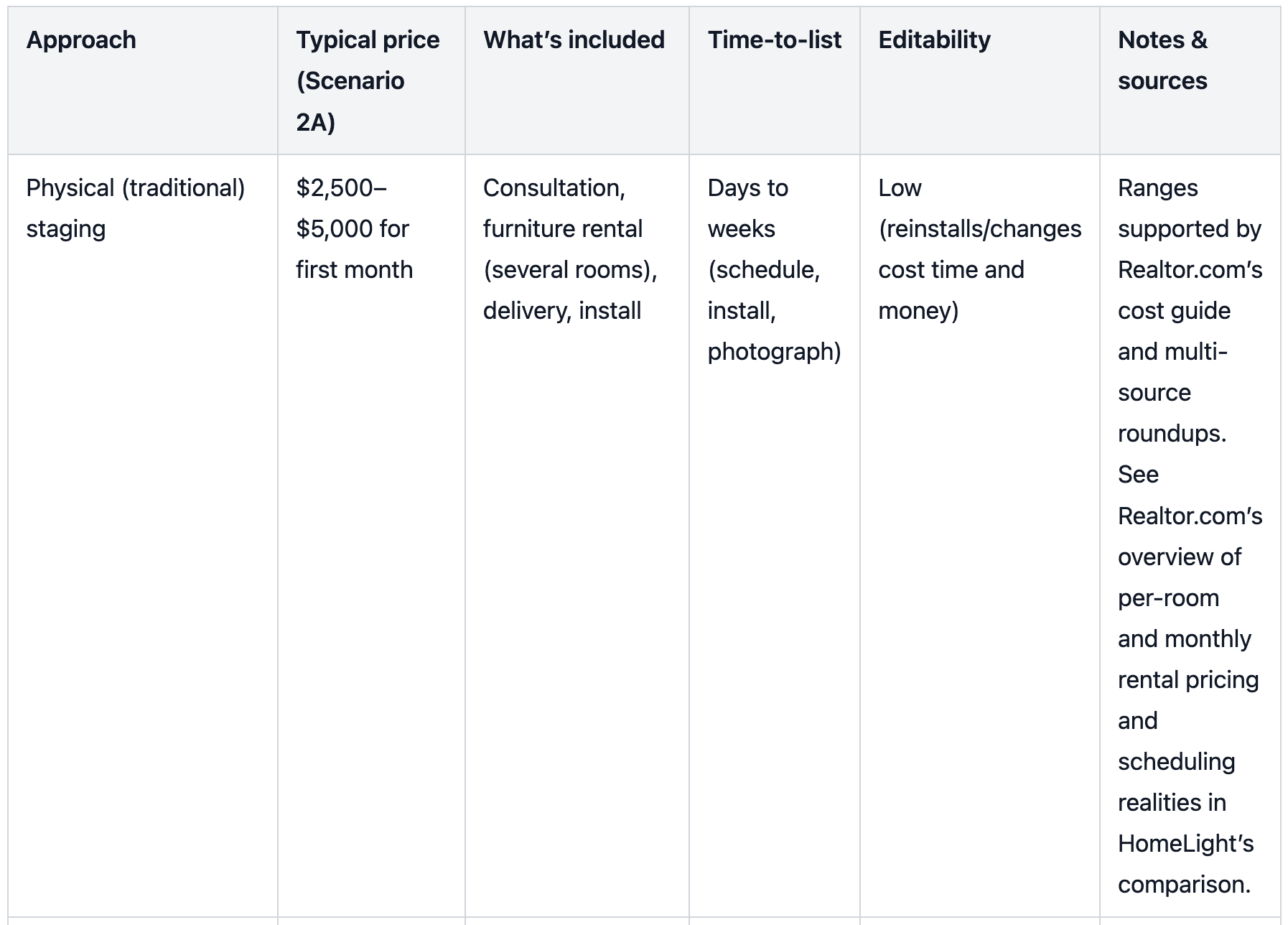
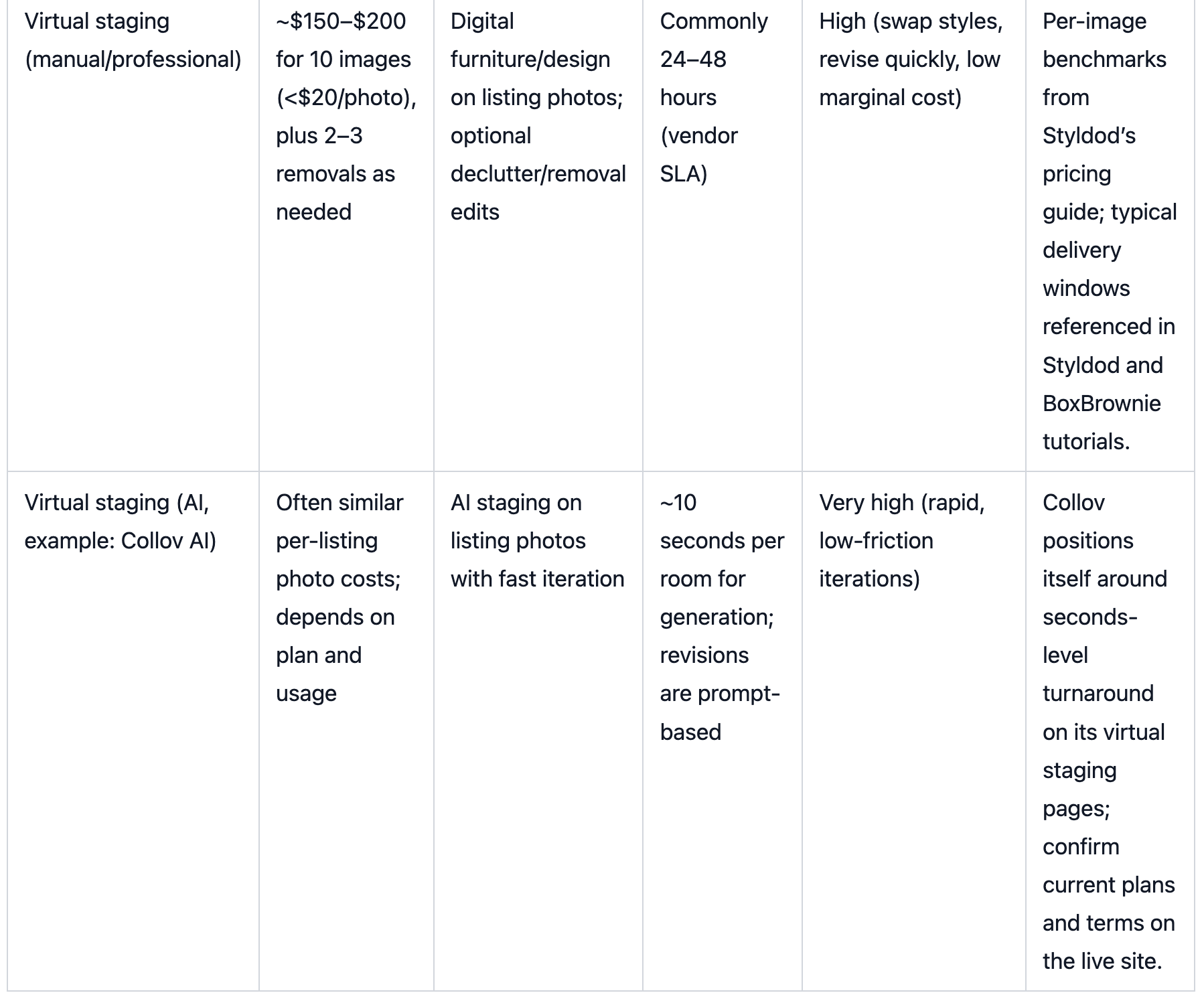
As with any estimate, your market and provider will vary. Always confirm current pricing and turnaround.
Sources referenced in the table:
Realtor cost context: see the detailed breakdown in the Realtor.com cost guide: How much does home staging cost? (2025)
Comparison context, ranges, and timelines: HomeLight’s virtual vs. real staging explainer (2025)
Virtual per-image norms: Styldod’s 2025–2026 pricing overview
Turnaround references (seconds to ~48h): InstantDeco feature page and BoxBrownie’s tutorial (48-hour typical)
Virtual staging cost and budgeting tips for agents
If the primary question on your mind is virtual staging cost, here’s the practical math for Scenario 2A. Ten images at ~$15–$20 each typically land in the $150–$200 range. Add a handful of virtual removals or declutter edits when an occupied room needs a reset. Even with a few extras, you’re often under $300—well inside a tight real estate marketing budget.
Total cost of ownership (TCO) also favors virtual: no delivery or install fees, no minimum rental terms, no extension penalties, and far cheaper iteration. Want two accent styles for the same room to A/B test? That’s a few more images, not another truck roll.
If you want to operationalize the virtual route across multiple listings, it helps to standardize on one workflow. For example, Collov AI is a platform built for fast AI staging and iteration; you can see the current feature set and plan details on its virtual staging for real estate page. Pricing and tiers change, so it’s worth confirming what’s included before you lock your monthly real estate marketing budget.
Time cost: days to weeks vs. minutes to 48 hours
Physical staging requires quoting, scheduling, warehouse pulls, delivery, installation, and then photography—often a multi-day to multi-week chain, especially in peak seasons. Virtual staging compresses that to software workflows: many AI outputs render in seconds and designer-assisted edits commonly return within 24–48 hours.
If you’re specifically comparing tools inside the “AI” bucket, the practical differentiator is iteration speed. For example, Collov AI markets ~10-second per-room generation plus prompt-based revisions, which can matter when you’re testing a few looks for the same room before going live. (For a broader overview of the product category and workflows, see the Collov virtual staging hub.)
Vendor benchmarks still vary by provider and workload, but minutes-level AI generation and 24–48 hours for manual teams are consistent with references from InstantDeco and BoxBrownie’s tutorials, while Styldod’s pricing guide documents typical 12–48 hour windows.
If you run multiple listings in parallel, this time compression directly improves speed-to-market and frees staff from logistics.
Staging ROI in 2026: dual-citation range and a quick breakeven
Conservative anchor: According to the National Association of REALTORS, 29% of agents reported a 1%–10% increase in the dollar value offered for staged homes, and 49% of sellers’ agents said staging reduced days on market, based on the 2025 Profile of Home Staging summary. See the newsroom release: NAR report: staging boosts sale prices and reduces time on market (2025).
Directional anchor: The Real Estate Staging Association’s 2025 statistics highlight frequent over-ask outcomes and low DOM in smaller, performance-focused samples. Treat these as directional due to sample size and selection. Explore RESA’s summaries: RESA industry statistics (2025).
Methodology note: NAR relies on broad REALTOR surveys and reports perceived impact ranges—a conservative, widely trusted lens. RESA aggregates staging case results and submissions with smaller, success-skewed samples—useful for direction but not universal. Together, they frame a reasonable ROI range without promising specific outcomes.
Breakeven example (simple): On a $500,000 listing, a 1% lift is $5,000. Against physical staging at $2,500–$5,000, breakeven sits near the low end of the lift range. Against virtual at ~$150–$300, breakeven is trivial; even a tiny lift or faster DOM can justify it.
Where physical staging still shines—and when to go hybrid
Physical furniture can influence buyer perception during tours and open houses. If a vacant luxury property expects heavy in-person traffic, selectively staging the great room and primary suite can be worth the investment. For mid-market listings where online discovery drives traffic, virtual often delivers the best cost/time tradeoff.
A simple decision tree you can apply today:
Need marketing photos in under 48 hours? Go virtual.
Expect high-end buyers and frequent showings? Physically stage one or two hero rooms; virtually stage supporting spaces.
Real estate marketing budget under $500? Go virtual (10–15 photos typically fit comfortably).
Launching 5–20 listings this month? Go virtual and standardize your workflow; consider tools that support batch processing or APIs.
For multi-angle consistency and portfolio scale, some teams use Collov’s dedicated features. The Collov Multi-Angle Staging overview is geared toward keeping the same design language across multiple photos of the same space, which helps listings look coherent when buyers swipe through the gallery. Keep in mind: physical staging still brings the in-person edge; a hybrid plan can optimize both budget and buyer experience.
Compliance and MLS disclosure: keep it crystal clear
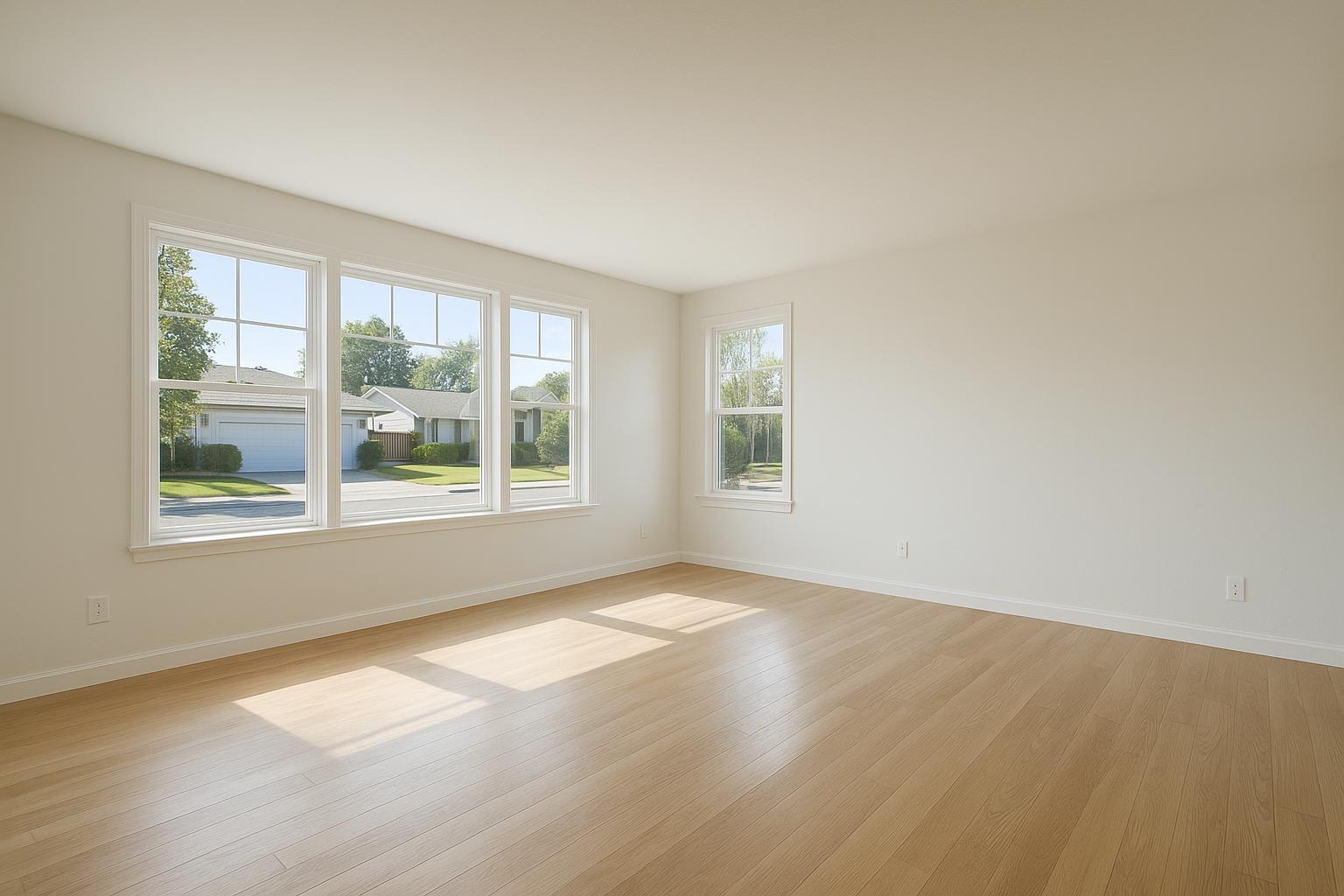
Before/after example (slider-ready)
Below are two images sized for a simple before/after slider you can embed in your presentation or listing site. They illustrate how virtual staging transforms the same angle into a buyer-friendly scene.
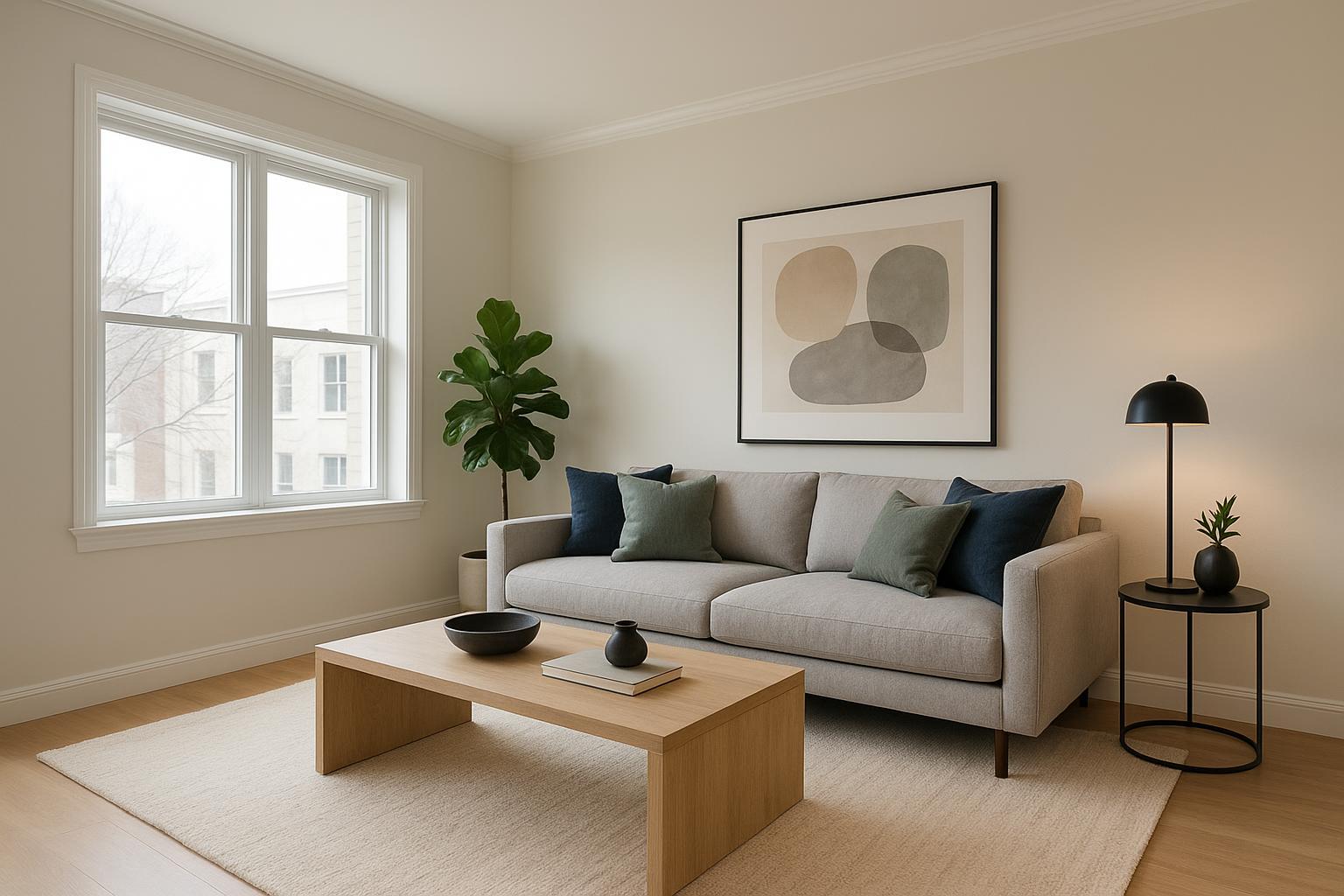
Generated by Collov AI in 12 seconds. Note how the Collov AI spatial engine perfectly maps the natural light and applies realistic shadows, bypassing the fake look of early manual virtual tools.
FAQ
How many listing photos should I virtually stage?
Aim for 8–15 images on a typical 3-bedroom: living room, kitchen, primary bedroom, and any awkward spaces that benefit from context. This typically keeps virtual staging cost within a lean real estate marketing budget.
Does virtual staging replace physical staging for open houses?
Not fully. Virtual excels at online engagement and time-to-market; physical can elevate in-person perception. Hybrid often wins: physically stage one or two hero spaces, virtually stage the rest.
Do I have to disclose virtual staging on MLS?
Yes. Follow NAR’s “true picture” standard and label modified images. Local boards vary; California’s AB 723 has explicit labeling rules per CRMLS’s guidance. When in doubt, label on-photo and in remarks.
What’s a realistic 2026 expectation for staging ROI?
Use a range. NAR’s 2025 data shows many agents perceive a 1%–10% value lift and reduced DOM, while RESA’s 2025 summaries show stronger, sample-specific outcomes. See the NAR newsroom summary and RESA statistics page. Your market, price tier, and execution will drive actual results.