Mar 7, 2026
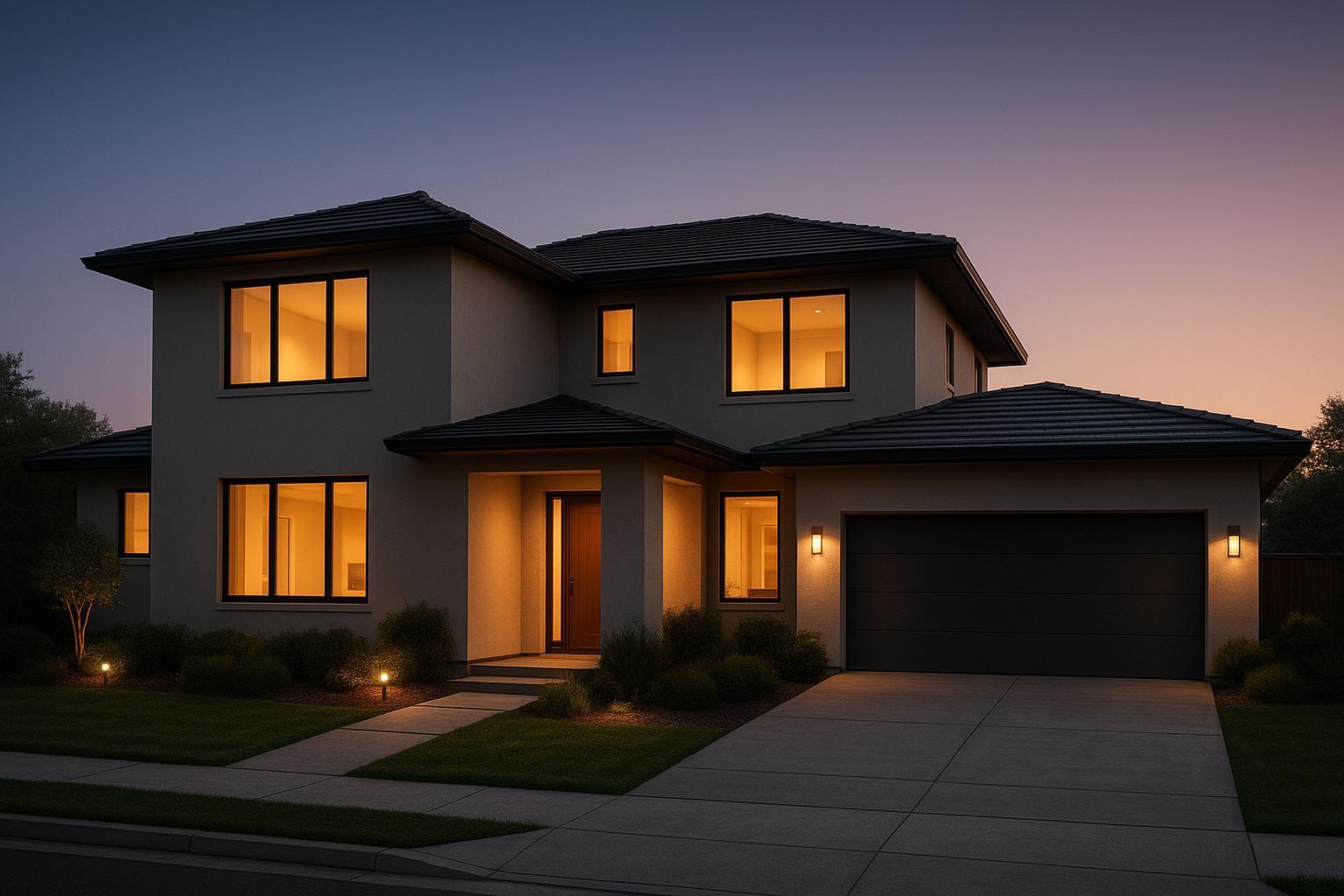
The first three seconds decide whether a buyer taps your listing or scrolls on. In that tiny window, the brain grabs the “gist” of a scene—overall brightness, shadow balance, and color temperature—long before it studies details. Vision research shows people extract scene layout and mood within roughly 100–200 milliseconds; fast affect comes from luminance balance and coherent color, not captions or copy. In short: your thumbnail’s lighting and palette do the talking.
This guide distills practical psychology into actions listing agents can use today. We’ll diagnose lighting mistakes that flatten emotion, then walk through in‑camera and post best practices, plus ethical AI workflows like virtual twilight and tone harmonization. The hero metric we’re chasing is higher listing CTR from thumbnails—measured, not guessed.
Color psychology in real estate thumbnails: what buyers register in the first three seconds
Researchers have demonstrated that viewers form rapid impressions from extremely brief exposures, with quick views producing judgments similar to longer looks. Studies on scene perception indicate that people pick up the overall layout and lighting almost instantly, guided by peripheral vision and summary statistics of the image. Translating that to real estate thumbnails: buyers perceive whether an image feels bright yet natural, warm rather than clinical, and uncluttered enough to breathe—all at a glance. According to the overview of fast trait judgments in Psychological Science (2006) and research on rapid scene “gist” in the Journal of Vision (2019), viewers read coarse layout and mood within ~100–200 ms.
If you remember one rule from color psychology in real estate, make it this: coherent, warm‑neutral color and balanced light create immediate ease. That’s the emotional runway your thumbnail needs.
The 7 thumbnail‑killing mistakes (and how to spot them fast)
Harsh shadows that carve up the frame. In a 200–300 px thumbnail, abrupt transitions read as “jarring,” not dramatic. Quick check: squint—do shadow edges look like hard cutouts?
Gloomy rooms. Under‑lit interiors compress midtones, making spaces feel smaller. Quick check: can you read detail in corners without cranking your screen?
Mixed color temperatures. Daylight blue from windows plus tungsten orange from lamps equals a muddy, indecisive cast. Quick check: are whites (trim, cabinets) actually white?
Blown highlights (especially windows). If the eye can’t find detail at the brightest point, it senses imbalance. Quick check: are windows pure white patches at thumbnail size?
Overcooked HDR. Halos, crunchy micro‑contrast, and gray blacks break realism. Quick check: do edges around windows glow or fringe?
Strong color casts from surfaces. Wood floors can push orange; blue skies can spill cool into interiors. Quick check: does the entire scene lean oddly magenta/green/blue?
Visual clutter. Too much furniture or counter mess scatters attention. Quick check: can you identify a clear focal area in a half‑second glance?
Tip: load a draft gallery and review only as thumbnails. Your eyes will flag problems your calibrated monitor view won’t.
Natural, trustworthy photos without a photography crash course
You don’t need to become a photographer to apply color psychology in real estate. You do need a consistent standard: bright (but not blown out), warm‑neutral (not orange), and clean (not cluttered).
Here’s a simple workflow that fits an agent’s schedule:
Do a thumbnail check first. Shrink the image until it’s small. If the room looks gloomy, the trim looks yellow/blue, or the windows turn into white blocks, buyers will feel that imbalance instantly.
Fix the big three: light, color, clutter. Get the overall brightness and white balance to feel natural. Then remove distractions so the room has a clear “hero.”
Let a Digital Artisan do the heavy lifting. If you don’t edit (or you want consistency across every room), Collov AI Enhance Photo Quality can automatically correct lighting, balance color, and improve contrast as a fast baseline.
This approach keeps your photos credible and inviting—without turning your listing workflow into a post‑production project.
Virtual twilight staging and tone harmonization
Virtual twilight staging isn’t a trick. It’s a way to give an exterior photo mood—the calm, “lights-on, welcoming” feeling you get when you drive through a neighborhood at dusk.
For most agents, the decision comes down to ROI.
Traditional twilight photography often means booking an after-hours shoot, hoping the weather cooperates, and paying an extra $150–$300 (varies by market and photographer). Even when the photos look great, you can lose days waiting for the right evening.
A day‑to‑dusk conversion is different: it’s fast, consistent, and doesn’t depend on sunset timing. If you want to test whether a twilight-style thumbnail earns more clicks, Collov AI Day‑to‑Dusk lets you generate an instant variant to compare against your best daytime hero shot.
Keep it ethical and believable:
Keep the scene’s shadows and overall direction of light consistent.
Choose a natural dusk sky (soft blue, not neon purple).
Add gentle window warmth—avoid the “every window is a spotlight” look.
Tone harmonization matters indoors, too. If a room has mixed light (blue windows + orange lamps), normalize it to a warm‑neutral baseline so the space feels calm instead of chaotic.
Before–after gallery
Below are illustrative before–after pairs to show how lighting and color changes alter mood. They’re designed to be viewed small as well as full size.
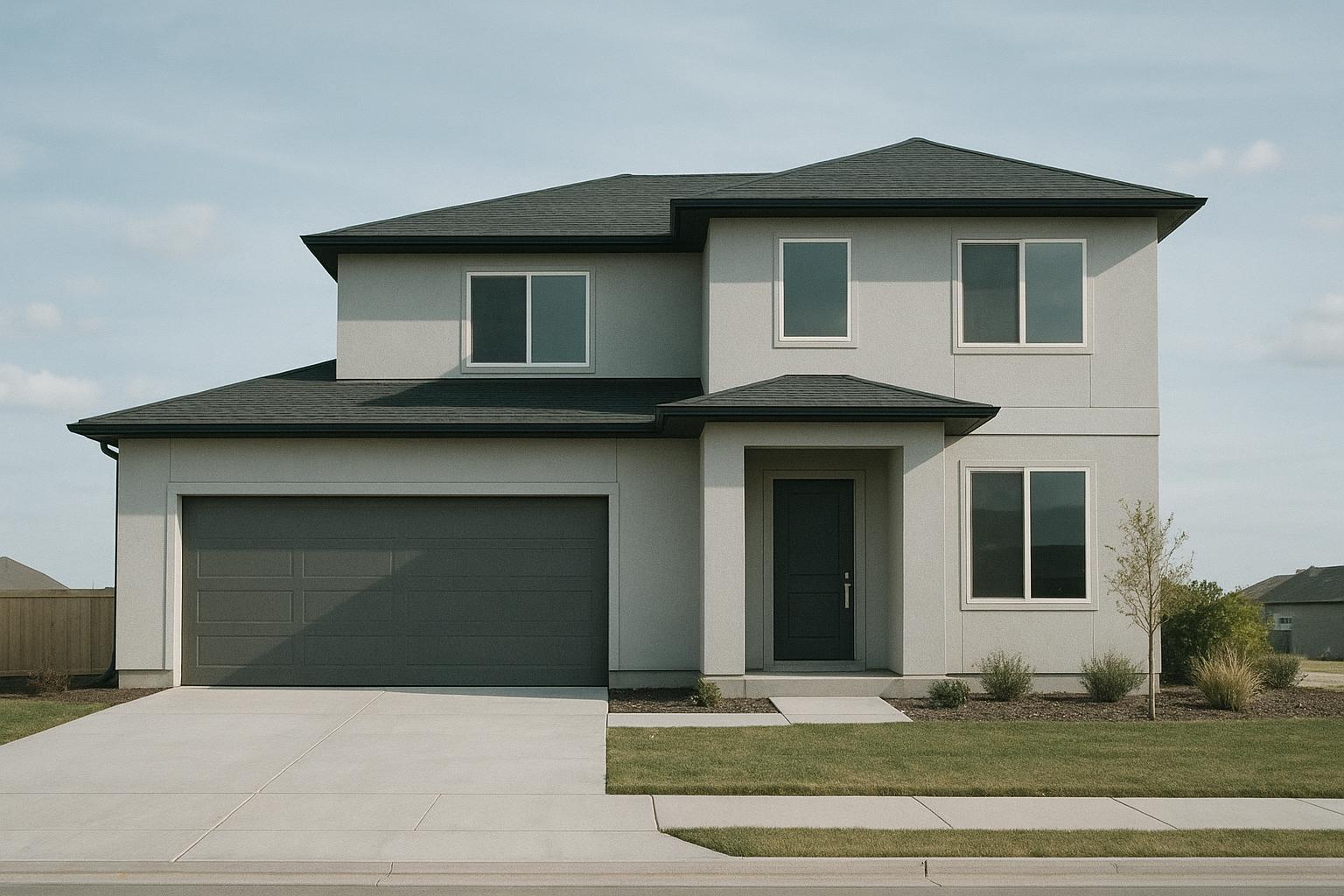
Before — Exterior, daytime: cool white balance, flat light, faint harsh driveway shadows, minor highlight clipping in the sky.
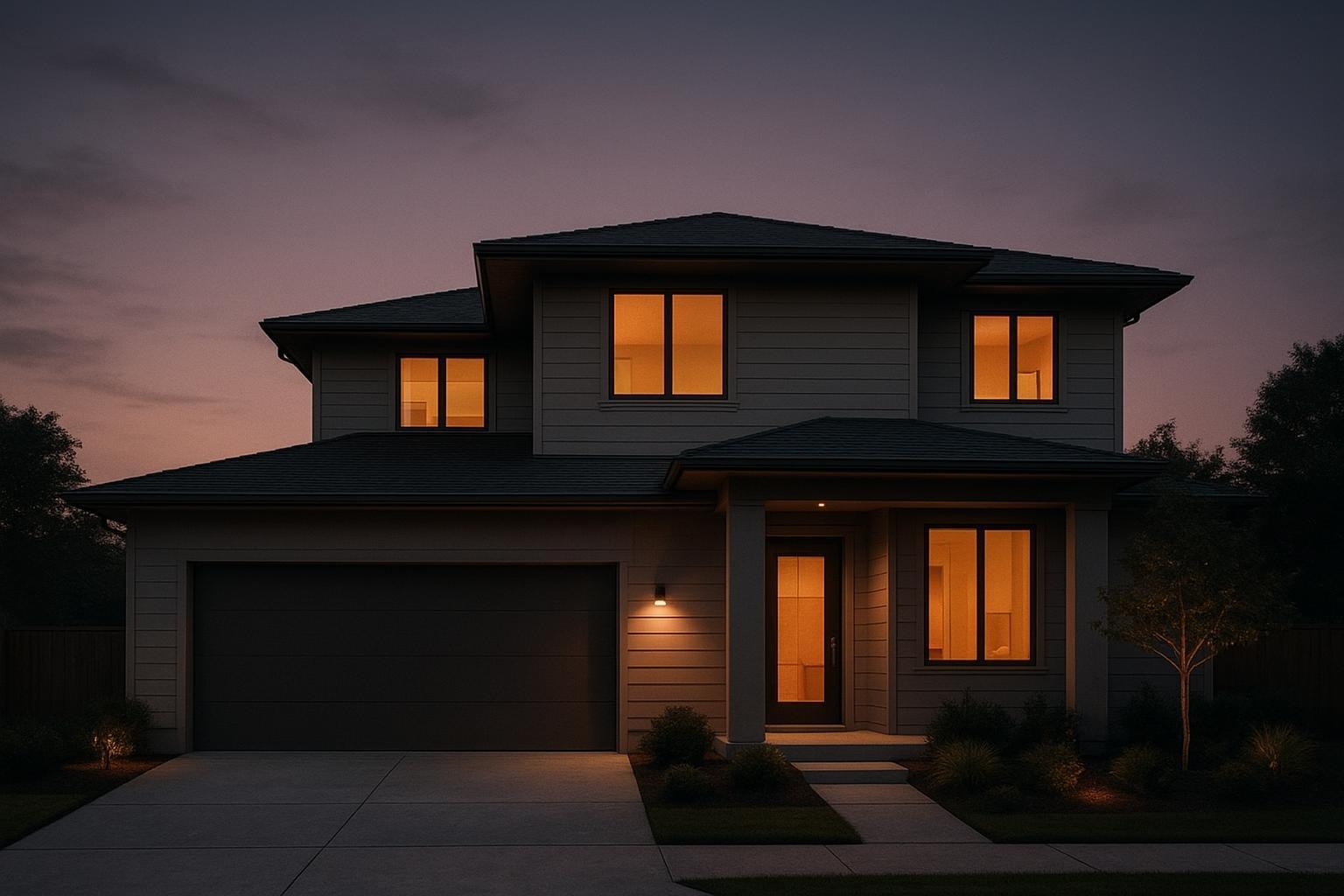
After — Exterior, virtual twilight: exposure −0.5 EV; highlight recovery ~1 stop; soft sky gradient; gentle window warmth; preserved shadow direction; saturation moderated.
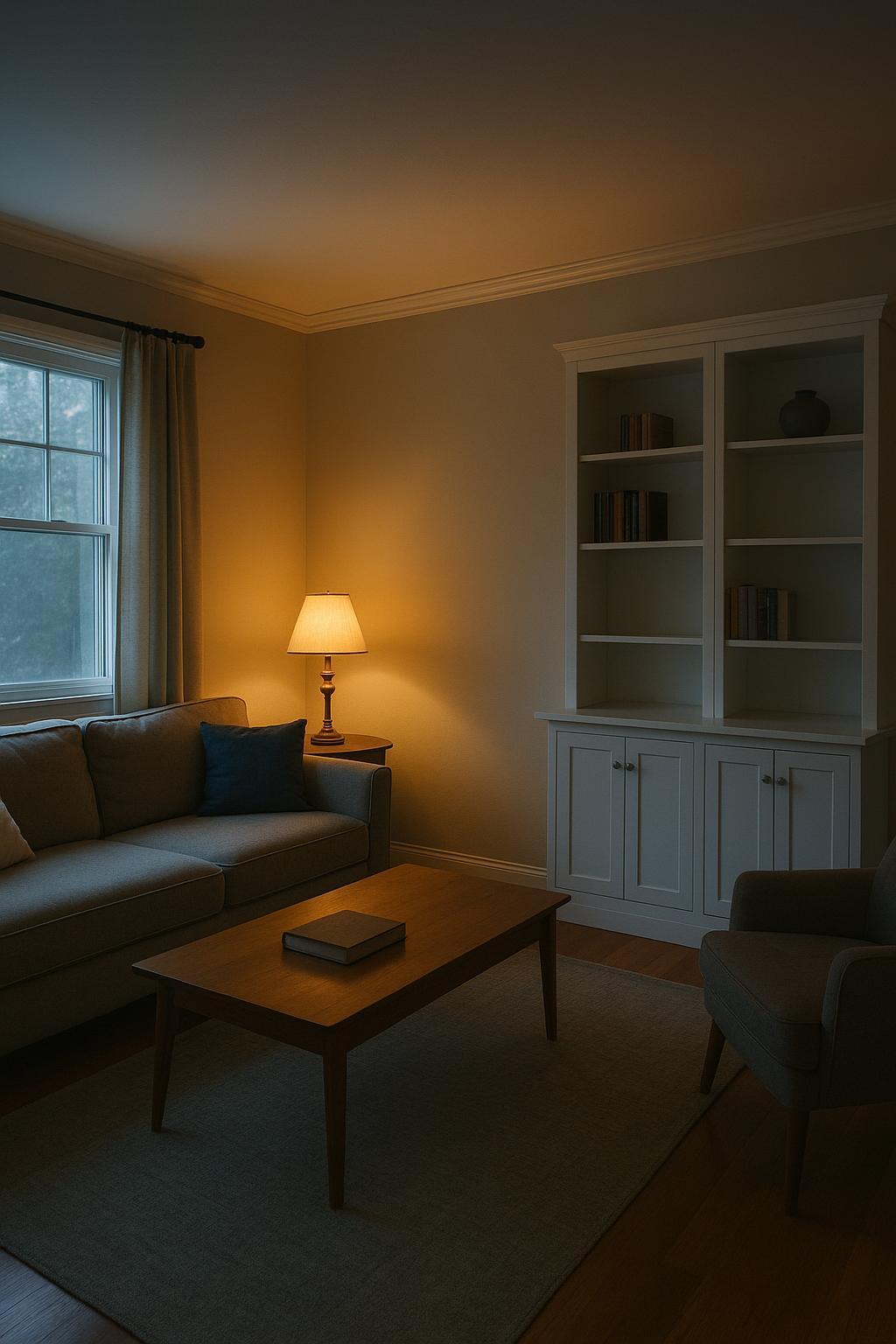
Before — Interior, mixed light: daylight blue + tungsten orange casting whites; under‑lifted midtones; slight blue tint on cabinetry.
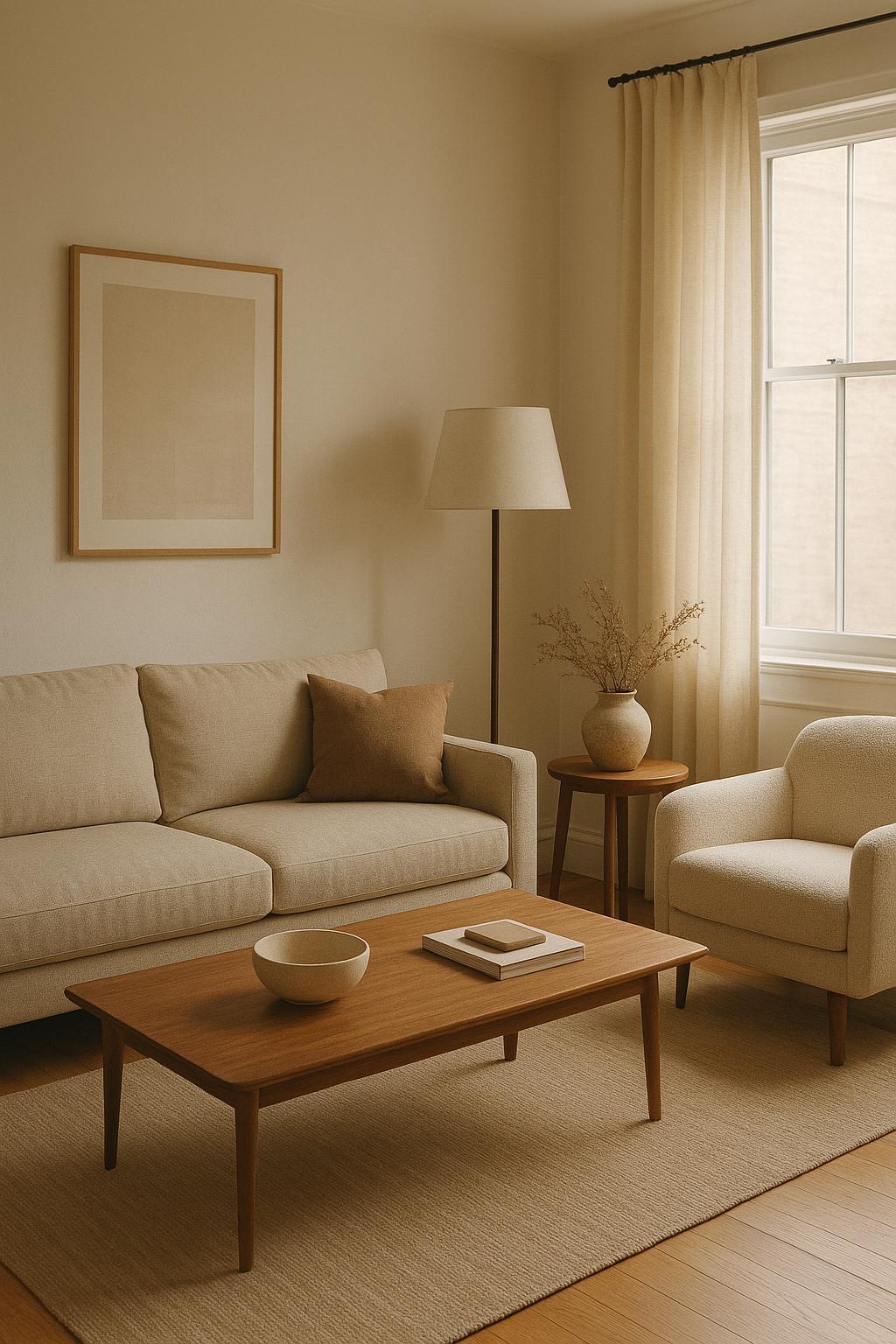
After — Interior harmonized: global WB normalized to warm‑neutral; local masks to neutralize window/corner casts; shadow lift in midtones; strong accent colors desaturated −10 to −12; contrast natural, not crunchy.
Why these work at thumbnail size: balanced luminance (no crushed blacks or blown whites), coherent color temperature (no tug‑of‑war between blue and orange), and a clear focal read. That’s color psychology real estate in action—fast, felt, and credible.
MLS compliance and disclosure—optimize while staying truthful
Ethics and compliance aren’t add‑ons; they’re guardrails that keep your optimization credible. Industry guidance emphasizes presenting a true picture and disclosing virtually staged or altered images when required by your MLS.
The National Association of REALTORS highlights the importance of truthful representation and appropriate disclosure for virtual edits. See their perspective in NAR’s Styled, Staged & Sold blog and the caution on “picture‑perfect” imagery in REALTOR Magazine’s coverage.
Many MLSs specify where and how to disclose virtual staging. For example, Bright MLS requires disclosure in public remarks, and CRMLS guidance explains when an original, unaltered image must appear immediately before or after the enhanced version.
MLS disclosure checklist for agents:
Add “Virtually staged” or “Day‑to‑dusk conversion” to the photo caption/description where your MLS provides a field.
Mirror any required phrasing exactly (copy from your MLS compliance doc), and keep it consistent across all enhanced images.
Do not alter permanent property features (e.g., remove power lines, add structures). Cosmetic declutter, lighting, and tone corrections are typically acceptable—confirm locally.
If your MLS requires original/unaltered versions adjacent to enhanced images, upload in that sequence.
Avoid exaggerated skies, reflections, or lighting that a typical viewer would deem implausible for the property.
Compliance note: When in doubt, disclose. Transparency builds trust—and protects your brand.
How to A/B test thumbnails for higher CTR
You don’t need portal‑native A/B tools to learn what works. Run quick tests on paid social, email, or your site while honoring truthful representation. Keep variables tight so the results mean something.
Form a hypothesis. Example: “Virtual twilight exterior will earn a higher CTR than a balanced daytime exterior for this style of property.”
Create two variants that differ by one factor only (time‑of‑day or warmth). Keep crop, angle, and composition constant.
Split exposure evenly between audiences and run long enough to accumulate meaningful impressions.
Track CTR = clicks ÷ impressions × 100, and monitor secondary signals like saves or inquiries. For general context on engagement signals, see Zillow’s research on views, saves, and shares.
Iterate on the winner and document what appears property‑specific (e.g., craftsman homes respond differently than glass‑forward moderns).
Context for measurement: Platform‑wide, twilight‑specific CTR data isn’t published by major portals. That’s why testing locally matters. For campaign‑level CTR benchmarking methods, education from marketing platforms like Unbounce’s A/B testing overview can inform experiment design—even if your goal is listing thumbnail performance.
Next steps for agents
Build a simple “thumbnail QA” habit: review every photo at thumbnail size and ask, Does this feel bright, warm‑neutral, and uncluttered? If not, fix those three things before you publish.
If you don’t edit—or you want consistent results across every listing—treat Collov AI as your Digital Artisan: run a quick enhancement pass for lighting/color, then generate a day‑to‑dusk exterior variant when you want more curb‑appeal mood.
Keep the learning loop tight: test two hero thumbnails (daylight vs. twilight-style), track CTR, and reuse what wins for similar property types.
References and further reading (selected):
Rapid impressions and scene gist: Willis & Todorov (2006), Psychological Science; Loschky et al. (2019), Journal of Vision.
Ethics and disclosure: NAR Styled, Staged & Sold; Bright MLS virtual staging guidance; CRMLS digitally altered image guidance FAQs.
Engagement context: Zillow research on views, saves, and shares.
By combining a clear lighting standard, calm color, and transparent enhancements, you’ll align the fast affect of your thumbnails with the story your listing deserves—measured by clicks, not wishful thinking.